
Fraudsters target homebuyers with SDLT scam
HMRC is warning anyone that has recently purchased a property to be wary of cold callers claiming they are owed a refund of stamp duty land tax. What do homeowners need to watch out for?
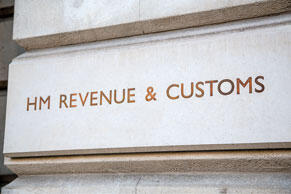
HMRC has long warned taxpayers about so-called “high volume” tax repayment companies. These are companies that have a very limited purpose - usually drawing people in with the promise of refunds of unclaimed allowances, e.g. for uniforms or the marriage allowance. While such firms may be legitimate, they tend to retain a sizeable portion of any refund as a fee. This is disproportionate to the work undertaken as such claims can be made directly by completing a simple form. However, some supposed refund firms are actually fraudsters with darker motives.
HMRC is now warning about a recent spate of stamp duty land tax refund claims that have not met the criteria for a refund. The most recent approach appears to be where the scammer approaches a homeowner claiming that they could be eligible for multiple dwellings relief for extremely spurious reasons, e.g. because a bedroom has an en-suite bathroom or a built-in wardrobe which “could be used as a kitchen”. While these claims may simply be rejected outright, the worry is that in some cases the refund is initially processed, the scammer takes their “fee”, and the homeowner then receives a demand for repayment of the refund, with interest and possibly even penalties. Naturally, the scammer has then disappeared.
Anyone receiving such a letter should refer it to the professional that handled their conveyance to ensure nothing as been missed. They are also advised to contact HMRC on 0300 2003 510.
Related Topics
-
Save tax by combining directors’ loan accounts
You started a company last year and it’s time to prepare its first accounts. Your director’s loan account (DLA) is in credit but your spouse’s is overdrawn. Might amalgamating the DLAs avoid or reduce a tax charge?
-
Updated guidance on mandatory payrolling of benefits in kind
Much like the rollout of mandatory payrolling of benefits in kind, HMRC guidance on the matter is coming in dribs and drabs. What's the latest?
-
Give your children a cheap mortgage
Your son is struggling to get on the property ladder and current mortgage interest rates are making it harder. You’re over the inheritance tax (IHT) threshold but you’re reluctant to give him the money because you’ve heard horror stories about others losing half of it in a divorce. Is a family loan the solution for both of you?





 This website uses both its own and third-party cookies to analyze our services and navigation on our website in order to improve its contents (analytical purposes: measure visits and sources of web traffic). The legal basis is the consent of the user, except in the case of basic cookies, which are essential to navigate this website.